

Why Traditional Self-Care Routines Often Miss the Mark
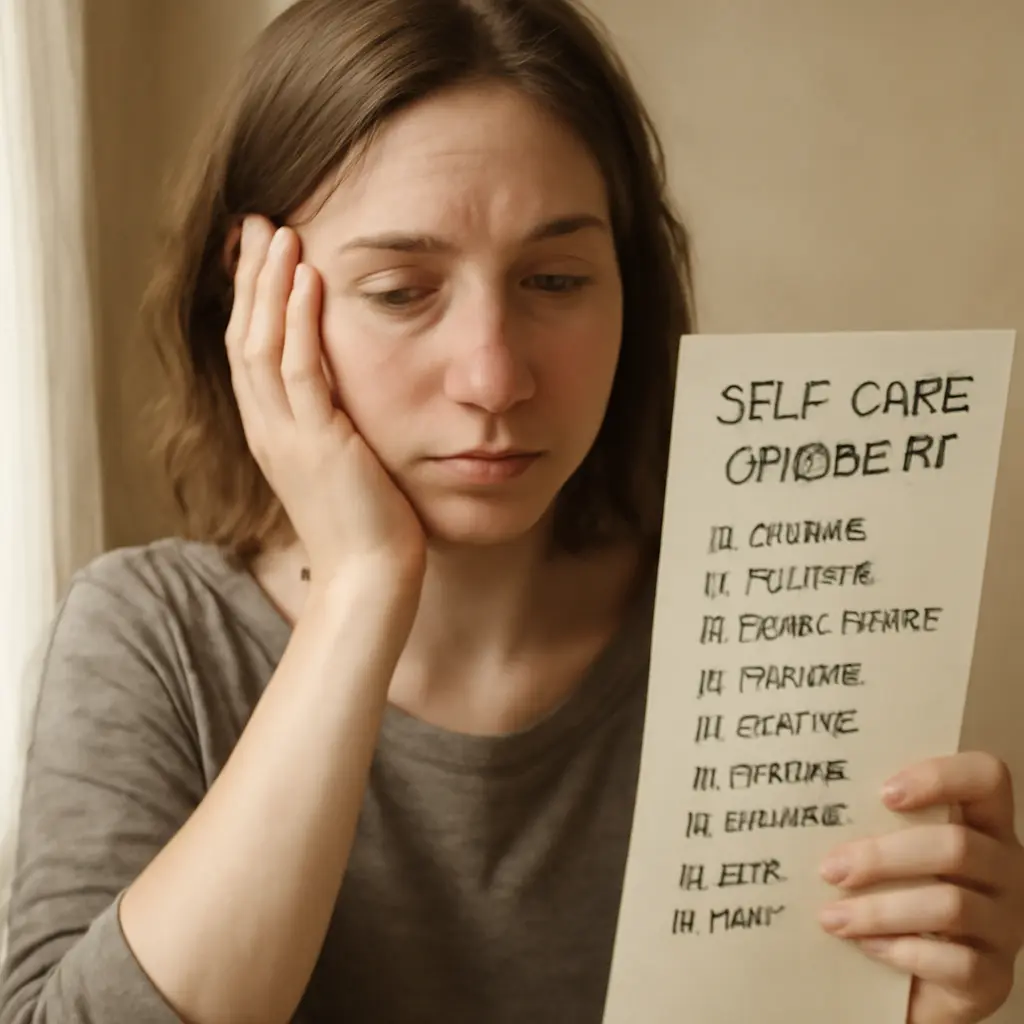
Introduction: Many women arrive at the idea of self-care with the best intentions: bubble baths, journaling, weekly yoga. Yet, those familiar rituals can feel hollow, inconsistent, or impossible to sustain. In this article I’ll explain why many traditional approaches fail and offer smarter alternatives backed by evidence and practical experience. Along the way, I’ll use the idea of casino review ratings as a metaphor and a real-world example of how to evaluate choices—because whether you’re picking a trusted leisure option or a new wellbeing habit, thoughtful appraisal matters.
What's wrong with the checklist approach?
Traditional self-care often becomes a series of tasks on a list: meditate for 20 minutes, exercise three times, make a green smoothie. That structure can create pressure rather than relief, especially for busy women juggling careers, families, and social expectations. The problem isn’t the activities themselves but the implicit assumption that one-size-fits-all, time-intensive routines will slot neatly into real life.
Self-efficacy (the belief that you can execute behaviors necessary to produce specific outcomes) drops when routines are unrealistic, leading to shame and abandonment. Think of it like reading casino review ratings: a glowing review won't help if the platform's minimum deposit is out of reach or the interface is confusing. The right match matters.
Why evidence matters: outcomes versus optics
Many popular self-care trends emphasize appearance—Instagrammable baths, elaborate skincare rituals—over measurable benefits like better sleep, mood stability, or reduced stress reactivity. Allostatic load, the cumulative burden of chronic stress on the body, is what really affects long-term health, not how many face masks you apply.
Instead of following a checklist because it looks soothing, women benefit more from practices that yield measurable change. Just as serious players consult dependable casino review ratings to find platforms with fair terms and solid security, approach self-care decisions with an evidence-first lens: Which activities reduce anxiety, improve sleep, or increase energy in normal life?

Core reasons traditional routines fail
- Unrealistic time demands — requiring long blocks of uninterrupted time that most schedules don’t allow.
- One-size-fits-all prescriptions — ignoring individual stressors, health status, and life stage.
- Performance pressure — measuring success by Instagram-ready moments rather than felt wellbeing.
- Lack of ongoing evaluation — no tracking of outcomes, so ineffective activities get repeated.
- Isolation — doing "self-care" alone when social support would give better returns.
When evaluating which activities to keep, borrow a tactic from consumer research: like comparing user feedback and terms in casino review ratings, check for signs of genuine value—sustained improvements, user testimonials over time, and transparent expectations.
Smarter Alternatives: Principles That Work
The goal of smarter self-care is to build resilience and sustainable wellbeing. Here are principles to guide choices:
- Micro-habits over marathon sessions — short, frequent actions that fit into real life.
- Measure outcomes — track mood, energy, or sleep rather than appearance.
- Choose high-impact activities — evidence-backed practices with large benefits for minimal time.
- Use social scaffolding — peer groups, mentors, or platforms that support accountability.
- Evaluate like a consumer — compare options using reliable reviews and ratings, including how helpful other women found the practice.
For example, rather than committing to a daily hour of yoga you never manage, try 5–10 minutes of targeted breathwork at three natural breaks during the day. This small approach is easier to sustain and, over time, produces measurable reductions in perceived stress. In the same way, serious leisure seekers consult casino review ratings to find platforms that respect their time and safety, choose self-care tools that respect your limits and deliver verified benefits.
High-impact practices to prioritize
Below is a compact table comparing common self-care activities by typical time investment and evidence strength so you can make tradeoffs intentionally.
| Practice | Average Time | Evidence Strength | Typical Benefit |
|---|---|---|---|
| Short breathwork (3–10 min) | 3–10 minutes | High | Immediate stress reduction |
| Daily walk | 15–30 minutes | High | Mood boost, better sleep |
| Social check-ins | 5–20 minutes | Moderate | Increased support, resilience |
| Structured therapy | 50–60 minutes | High | Long-term symptom reduction |
| Instagram-style rituals | 10–60 minutes | Low | Temporary mood lift |
Use the table as a quick filter: prioritize activities in the left column with high evidence and realistic time commitments. Just like filtering casinos by payout speed and security in casino review ratings, create a shortlist of options that align with your constraints and goals.
Building a personalized, data-friendly plan
How to test what works for you:
- Start with a 2-week experiment: pick 2–3 small practices and track outcomes.
- Use simple metrics: sleep hours, mood on a 1–10 scale, energy after work.
- Adjust based on data: keep high-return practices, remove low-return ones.
When women treat their wellbeing choices like informed consumers—examining evidence, reading long-form experiences, and comparing options much like consulting casino review ratings—they end up with routines that actually improve daily life rather than adding guilt.

Practical examples that work
Here are realistic, evidence-informed practices that many women find sustainable:
- 2-minute grounding breaks when switching tasks to lower anxiety spikes.
- 15-minute neighborhood walks after lunch to improve digestion and mood.
- Weekly social check-ins with a friend or small group to build support.
- Financial micro-actions such as automating savings and reviewing subscriptions—because financial security is self-care too.
- Boundary-setting scripts for work and family obligations to protect time and energy.
Note: Leisure activities, including online games, can be valid stress relief. If you enjoy casino-style gaming, approach it like any other pastime: research reputable platforms using thorough casino review ratings, set clear limits, and prioritize sites with strong safety practices so that downtime doesn't create new stressors.
Implementation: How to Make These Changes Stick
Change happens when you reduce friction, create feedback, and align practices with values. Here’s a straightforward plan:
- Pick one micro-habit and attach it to an existing routine (e.g., after brushing your teeth, do 3 minutes of breathwork).
- Track for 14 days and note one specific outcome (sleep quality, number of reactive moments avoided, etc.).
- Use accountability — invite a friend or join a small group where members share data and encouragement.
When choosing tools or communities to support this work—apps, classes, or leisure platforms—apply the same scrutiny you’d give when consulting casino review ratings: look for transparency, user feedback, and policies that protect your time and money.
Common pitfalls and warnings
Be careful of these traps:
- Quick fixes that backfire — impulsive purchases or elaborate routines that create more stress.
- Comparing yourself to curated feeds — social media skews perceptions of what’s normal or necessary.
- Unvetted platforms — whether apps or leisure sites, failing to check reviews can lead to wasted time and risk. Always consult reliable sources, such as in-depth casino review ratings when applicable.
Conclusion: Choose what keeps you well, not what looks good
Traditional self-care routines fail when they prioritize spectacle over sustainability. The smarter path is to select practices with clear benefits, test them briefly, and keep what produces reliable change. Treat your wellbeing choices like a savvy consumer: research, compare, and prefer transparency. Whether you’re choosing a daily habit or a recreational platform, grounding decisions in evidence and personal constraints leads to real improvements in resilience and quality of life. And when leisure choices include gaming, consult reputable casino review ratings to ensure your downtime supports wellbeing rather than undermining it.
Final takeaway: Small, measured habits combined with honest evaluation and social support are the most effective form of self-care. Make decisions that fit your life—and evaluate them like a pro.



To leave a comment, please sign up or log in
Log in / Sign up