

Why Perfectionism Holds Women Back — and How to Choose Progress Over Flawlessness

Perfectionism can feel like a secret superpower: it pushes you to polish every detail, say yes to extra responsibility, and strive for excellence. But for many women, that same drive becomes a hidden roadblock — leading to procrastination, burnout, and stalled careers. In this article you'll learn why perfectionism often backfires and find practical, evidence-informed strategies to switch from a fixation on flawless outcomes to a focus on consistent progress. Along the way, we'll use relatable examples — even how people use casino review ratings to make smarter decisions — to show how evaluation frameworks can replace paralysis with clarity.
Understanding Perfectionism: The mechanics
Perfectionism is more than wanting things to be good. Clinically, it includes unrealistic standards, fear of criticism, and an intense focus on evaluation. Put simply, it's the belief that anything less than perfect is failure. That mindset triggers avoidance behaviors: delaying a launch until conditions are “just right,” rewriting an email ten times, or refusing help because the final result might not match your internal standard.
One useful way to reframe this is to treat decisions like a reviewer uses casino review ratings: set objective criteria, compare options, accept trade-offs, and move forward. The reviewer doesn't wait for a perfect casino; they weigh reliability, bonuses, and fairness and then recommend the best overall choice. You can use the same logic in work, parenting, and relationships.
Common signs of perfectionism
Recognizing the pattern is the first step. Look for these behaviors:
- All-or-nothing thinking — if a project isn't flawless, you dismiss it entirely.
- Excessive revision — endless edits that add little value.
- Fear of delegating — believing only you can meet the standard.
- Procrastination disguised as preparation — “I’ll start when I have more time.”
- Over-reliance on external validation — needing constant approval before proceeding.
Why it's particularly harmful for women
Societal pressures often expect women to perform perfectly across multiple roles simultaneously. That expectation fosters chronic stress and increases the risk of burnout. In workplaces where promotions favor visible risk-taking, perfectionistic tendencies can actually reduce opportunities: waiting for the ideal moment means missing the window to apply, pitch, or lead.
Using objective tools like comparative ratings — for example, how casino review ratings compare platforms by trustworthiness and user experience — demonstrates a skill that perfectionists can adopt: measuring, not idealizing. By valuing measured, balanced assessments, you can reduce emotional reactivity and make decisions faster and with more confidence.
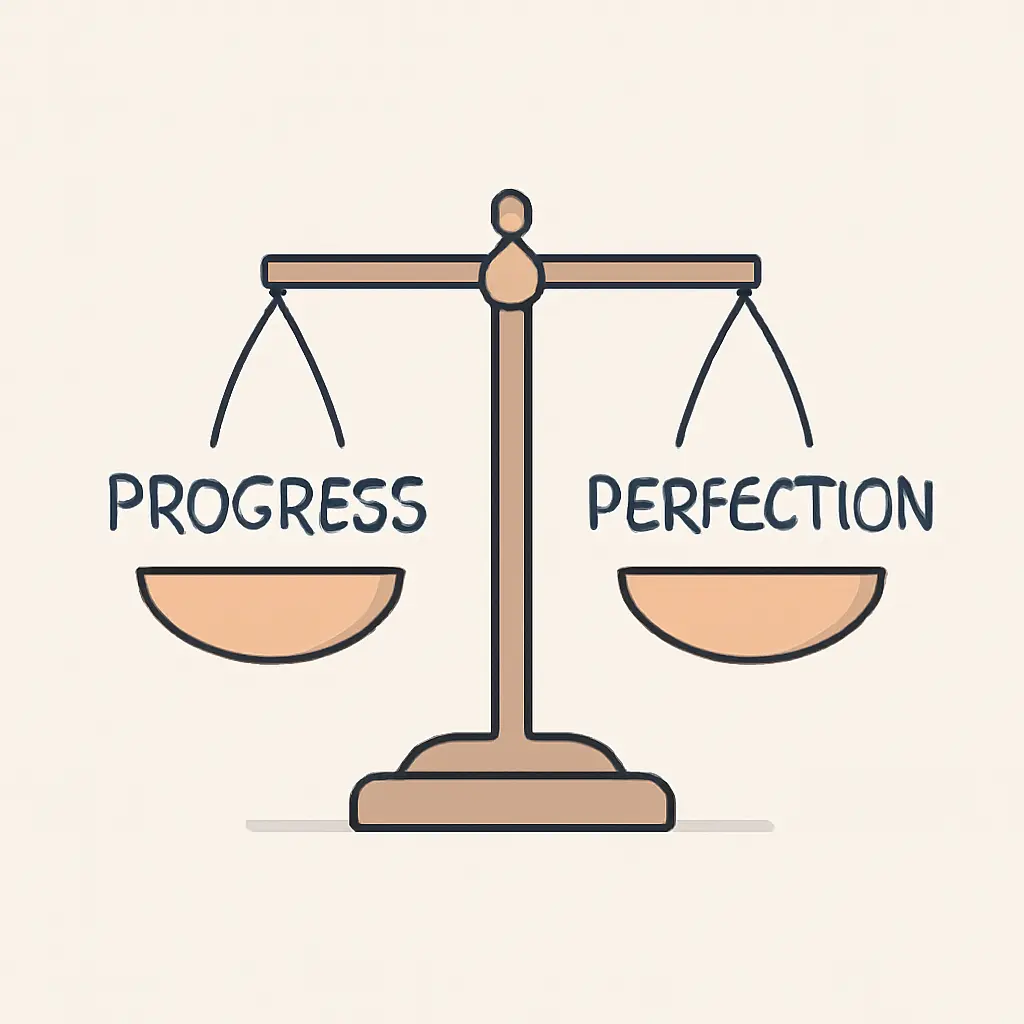
Visual tools help. When you map requirements and acceptable trade-offs for a task, it becomes easier to accept good-enough outcomes that still move you forward.
Practical steps to stop self-sabotage
Transforming perfectionism into productive standards is a process. Use this 3-step approach as a repeatable framework:
- Define non-negotiables: List the elements that truly must be present (deadlines, legal compliance, brand safety). This mirrors how experts weigh non-negotiable criteria in casino review ratings.
- Set iteration limits: Decide in advance how many revisions are allowed and when to stop. Treat each iteration like a round of testing, not a quest for perfection.
- Measure progress: Use small, objective metrics (time spent, outcomes achieved) and celebrate improvements rather than absolute perfection.
Quick checklist to use daily
In chaotic moments, run through this short checklist to prevent perfectionist freeze:
- Is this task mission-critical?
- Will another hour improve the outcome significantly?
- Can I delegate a portion?
- What would a trustworthy review label this effort? (Imagine the calm, comparative voice of a reviewer creating casino review ratings.)
How to evaluate progress — a comparison table
Below is a simple table to help you reframe perfectionism into a growth-oriented approach. Use it as a printable guide or pin it near your workspace.
| Mindset | Typical Behavior | Alternative Approach | Benefit |
|---|---|---|---|
| Perfectionism | Endless tweaking, delayed launches | Set iteration limits and deadlines | Less stress; faster learning |
| Comparison paralysis | Waiting for the 'perfect' model or example | Use objective reviews (like casino review ratings) to benchmark quickly | Faster decision-making; clear trade-offs |
| Fear of delegation | Hoards work; burnout | Assign clear outcomes and accept different styles | Scale impact; develop team trust |
Tactics to rebuild confidence
Confidence is the anti-dote to perfectionism. Build it with practical experiments:
- Micro-commitments: Publish a short article, pitch a small idea, or mentor someone for an hour. Small wins compound.
- Feedback loops: Ask for targeted feedback rather than open-ended opinions. That mirrors a reviewer asking specific criteria when compiling casino review ratings.
- Time-boxed risks: Try a new approach for 30 days and measure results. If it fails, you learned quickly.
Mental habits to practice
Changing habits takes repetition. Try integrating these three practices:
- Daily reflection — spend 5 minutes listing what moved you forward, not what’s imperfect.
- Public accountability — share goals with a peer or group to create gentle pressure to progress.
- Curiosity-first language — replace “I failed” with “What did I learn?”
When to seek professional help
Perfectionism can be tied to anxiety or depression. If procrastination, panic, or intrusive negative thoughts are interfering with daily life, consult a mental health professional. Therapy can teach skills like cognitive reframing and exposure to uncomfortable outcomes. This is not a sign of weakness — it's a practical investment in your wellbeing and productivity.
Putting it all together: a realistic example
Imagine you're launching a side project. A perfectionist might delay the launch until every detail is flawless. Instead, apply the frameworks above: define non-negotiables (clear privacy policy, basic UX), limit iterations to two rounds, and benchmark features using a short comparative matrix similar to how casino review ratings evaluate platforms. Launch a minimum viable version, gather user feedback, iterate, and celebrate learning milestones. That approach gets you real data and avoids months of indefinite preparation.
Conclusion — choose progress
Perfectionism offers the illusion of control but often costs time, energy, and opportunities. By adopting measurable decision frameworks, setting limits, and reframing outcomes, women can replace self-sabotage with steady momentum. Treat choices like a calm reviewer uses casino review ratings: focus on reliable criteria, accept trade-offs, and move forward with confidence. If you're ready to try one action today, pick a micro-commitment — publish, delegate, or set a one-round edit limit — and notice how much lighter progress feels.
Edriena Hazelina supports women in building resilient careers and balanced lives. Keep experimenting, be kind to yourself, and remember: progress beats perfection.



To leave a comment, please sign up or log in
Log in / Sign up